

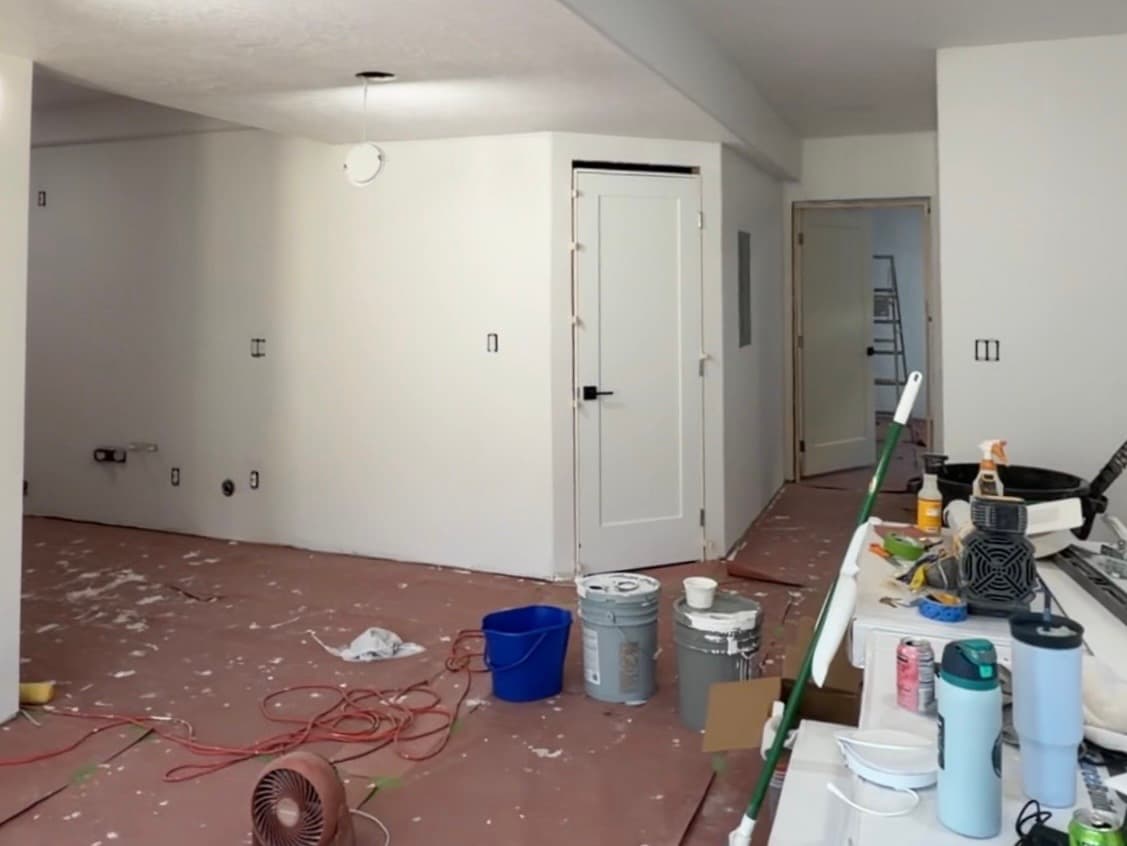
A kitchen remodel sounds exciting until the contractor says the space will be unusable for months. Suddenly you're solving an unexpected problem: where will your family stay?
Kitchen remodels take roughly five months of building. Major whole-home renovations average 10 months. That's a long time to be displaced. Fortunately, temporary housing solutions designed specifically for renovation displacement exist, and understanding your options helps you choose what works best for your timeline, budget, and family.
Why vacate during home renovations
Staying home while renovations happen seems logical, but living in an active construction zone can create real problems. Dust and noise disrupt sleep, utilities get shut off for extended periods, and structural work makes parts of the home unsafe.
For anything beyond minor updates in a single room, vacating makes practical sense.
Understanding renovation timelines and housing needs
Different renovation scopes require different housing lengths.
Minor projects (single room, bathroom update): One to eight weeks.
Kitchen remodels: Five months of building. Full kitchen replacement means no cooking, water shutoffs, and extensive dust. You need housing for four to six months minimum.
Whole-home renovations: Average 10 months. You need housing for the full duration.
Major structural work (electrical rewiring, plumbing, foundation): Several months minimum with frequent utility shutoffs.
The longer your timeline, the more your temporary housing needs to feel like home. This is where midterm rentals (opens in new tab) become essential rather than just convenient.
Housing options for renovation displacement
Extended-stay hotels
Chains like Extended Stay America offer fully equipped kitchens, free Wi-Fi, on-site laundry, and complimentary breakfast at some locations. Cost: approximately $140/night for 60+ days, roughly $4,200 monthly.
Best for:
Two to twelve-week renovations, people wanting daily housekeeping.
Downsides:
Still feels like a hotel. Limited kitchen space. May be in commercial districts rather than residential neighborhoods.
Furnished apartments (midterm rentals)
Midterm rentals are specifically designed for temporary stays like renovation displacement. These furnished temporary housing options offer a residential feel with equipped kitchens and separate living spaces, helping maintain normalcy during stressful periods. Cost: $2,000 to $3,500 monthly depending on location.
Best for:
Three-month plus renovations (the typical renovation window), families needing multiple bedrooms, those with pets.
Benefits:
Full kitchens, separate living areas, pet-friendly, often includes utilities and Wi-Fi.
Downsides:
Higher upfront cost than hotels (though lower monthly cost). If construction delays occur, your rental may be booked by another guest.
Staying with family
Often the most cost-effective option with emotional support, though extending stays can strain relationships. Works best for shorter renovations (four to eight weeks).
Why midterm rentals are ideal for renovation displacement
Unlike hotels, midterm rentals are built for exactly this situation. They're designed for people in transition, needing stability and comfort for several month stays.
When your home is under construction for three to ten months, you need more than a temporary room. You need a functioning home. That means:
-
A full kitchen where you can meal prep and maintain routines
-
Multiple bedrooms so family members have space and privacy
-
In-unit laundry because you'll accumulate construction dust daily
-
Reliable Wi-Fi if anyone in your family works remotely
-
Pet-friendly policies because your animals are stressed too
-
Flexible leases that let you leave when construction finishes, not when the calendar says so
What to look for in renovation housing
Before booking, evaluate these essentials:
Duration flexibility: Can you extend if renovations run long? Confirm terms before committing.
Full kitchen and laundry: Essential for stays longer than four weeks. This is non-negotiable for renovation displacement.
Pet-friendly policies: Important if you have animals.
Proximity to your renovation site: Staying nearby reduces daily stress.
Internet reliability: Critical for remote workers.
Included utilities and fees: Compare total costs, not just nightly or monthly rates.
Insurance and temporary housing coverage
If your renovation is related to a covered insurance loss (fire, flood, storm damage), your homeowners insurance may cover additional living expense (ALE). Planned renovations typically aren't covered. Contact your insurance company to confirm coverage and limits before booking.
Planning your renovation housing timeline
Don't wait until demolition begins to book housing. Summer has fewer options at higher prices.
Six months before renovation: Research typical timelines for your project. Get contractor estimates.
Two to three months before: Book your midterm rental. Confirm lease flexibility and termination terms. This is your window to secure the best properties.
One month before: Finalize logistics and confirm with your temporary housing provider about potential timeline changes.
During your renovation, maintain weekly communication with your renovation team about progress and any timeline adjustments.
Making your temporary housing feel like home
Bring familiar items (photos, books, favorite kitchen tools). Set up a workspace if working remotely. Establish routines. Connect with nearby amenities. Maintain contact with your renovation team so you stay informed about progress.
Finding temporary housing
Short-term rental platforms like Airbnb and Vrbo offer various options, though Airbnb doesn't specialize in renovation displacement and can have limited availability for longer stays. Furnished rental platforms (opens in new tab) specializing in midterm stays are your best option because they understand your timeline and needs.
When comparing, get total costs in writing. Confirm lease terms allow flexibility. Verify what's included (furniture, dishes, cookware, linens, internet speeds).
Your path forward
If you're facing a renovation displacement and need temporary furnished housing with the flexibility and comfort of a real home, consider midterm rental platforms designed specifically for this situation. You'll have access to properties available for the exact duration you need, with amenities supporting day-to-day living.
Need flexible temporary housing while your home is being renovated?
Browse furnished apartments and homes available for 1-12 month stays on MatchBook (opens in new tab). Find pet-friendly options, properties with full kitchens and laundry, and flexible lease terms that accommodate your renovation timeline and unexpected delays. When your renovation finishes, you move out. No long-term commitment. Just a comfortable home for as long as you need it.
Frequently asked questions
How far in advance should I book temporary housing for my renovation?
Book two to four months before your renovation begins. This timing gives you better availability and rates. Midterm rentals book quickly during peak season, so if you're planning a summer renovation, start even earlier.
How long do most home renovations actually take?
Kitchen remodels average five months of building. Whole-home renovations average 10 months. Always add a contingency buffer of 10-15% to your contractor's timeline for unexpected delays.
What's the average cost of temporary housing during a renovation?
Extended-stay hotels run about $4,200 monthly for 30+ day discounts. Midterm rentals range $2,000 to $3,500 monthly depending on location and amenities, and that includes utilities, Wi-Fi, and furnished furnishings. Costs vary significantly by city and season.
Can my homeowners insurance cover temporary housing during a renovation?
Insurance may cover temporary housing only if displacement is from a covered loss (fire, flood, storm damage). Planned renovations aren't typically covered. Check with your insurance company about ALE (additional living expense) coverage.
Should I stay with family to save money?
Staying with family saves money upfront and can work well for shorter renovations (four to eight weeks) but for longer displacements, midterm rentals provide more privacy, independence, and comfort without the relationship stress.
What amenities are most important for temporary renovation housing?
Full kitchen, in-unit or on-site laundry, reliable internet, proximity to your usual routines, and pet-friendly policies (if you have pets). For families, separate bedrooms matter more than for individuals. For remote workers, internet speeds are critical. Midterm rentals typically include all of these.
What if my renovation runs longer than expected?
This is why lease flexibility matters. Before booking, confirm you can extend your stay if your project extends.
Are midterm rentals really better than hotels for renovation displacement?
For stays longer than four weeks, midterm rentals consistently outperform hotels. They provide full kitchens, separate living spaces, included utilities, and residential comfort that hotels don't offer. Hotels work better for shorter stays. For typical renovations lasting 4-10 months, midterm rentals are the clear choice.
Should I stay close to my renovation site?
Yes, when possible. Staying nearby saves time and stress when meeting with contractors or checking progress. Proximity to schools, work, and groceries also matters more than proximity to your renovation.
What's the biggest mistake homeowners make with renovation housing?
Waiting until demolition begins to book. Last-minute booking means limited options, higher prices, and fewer amenities to choose from. Plan two to six months ahead, and book a midterm rental early to ensure you get the property that best fits your family's needs.